Aberfeldy & Dunkeld
South and east of Pitlochry, the twin towns of Aberfeldy and Dunkeld sit on the River Tay, each shaped by a very different piece of history — a military bridge in one case, a cathedral in the other.
Aberfeldy grew up around Wade's Bridge, built in 1733 across the River Tay as part of General Wade's programme of military road and bridge building in the Highlands following the Jacobite risings. Designed by the architect William Adam, it remains one of the best-preserved of Wade's bridges and still carries traffic today. On the edge of town, the Birks of Aberfeldy is a wooded gorge walk along the Moness Burn, known for its birch woodland and a waterfall, and said to have been the inspiration for a Robert Burns poem of the same name after his visit in 1787.
Dunkeld and the cathedral
Dunkeld, a few miles downstream on the Tay, is centred on Dunkeld Cathedral, a part-ruined, part-restored building on the riverbank with origins going back to the early medieval period, though most of the surviving structure dates from the 14th and 15th centuries. The choir remains in use as a parish church, while the older nave stands roofless. The town itself was largely rebuilt after being burned down in the aftermath of the 1689 Battle of Killiecrankie, and its neat rows of small houses date from that rebuilding, giving the centre a distinctive, uniform character.
Where to Stay in Aberfeldy & Dunkeld
Both towns have their own hotels, so a stay can be based in either, depending on which side of the Tay you'd prefer to explore from.
-
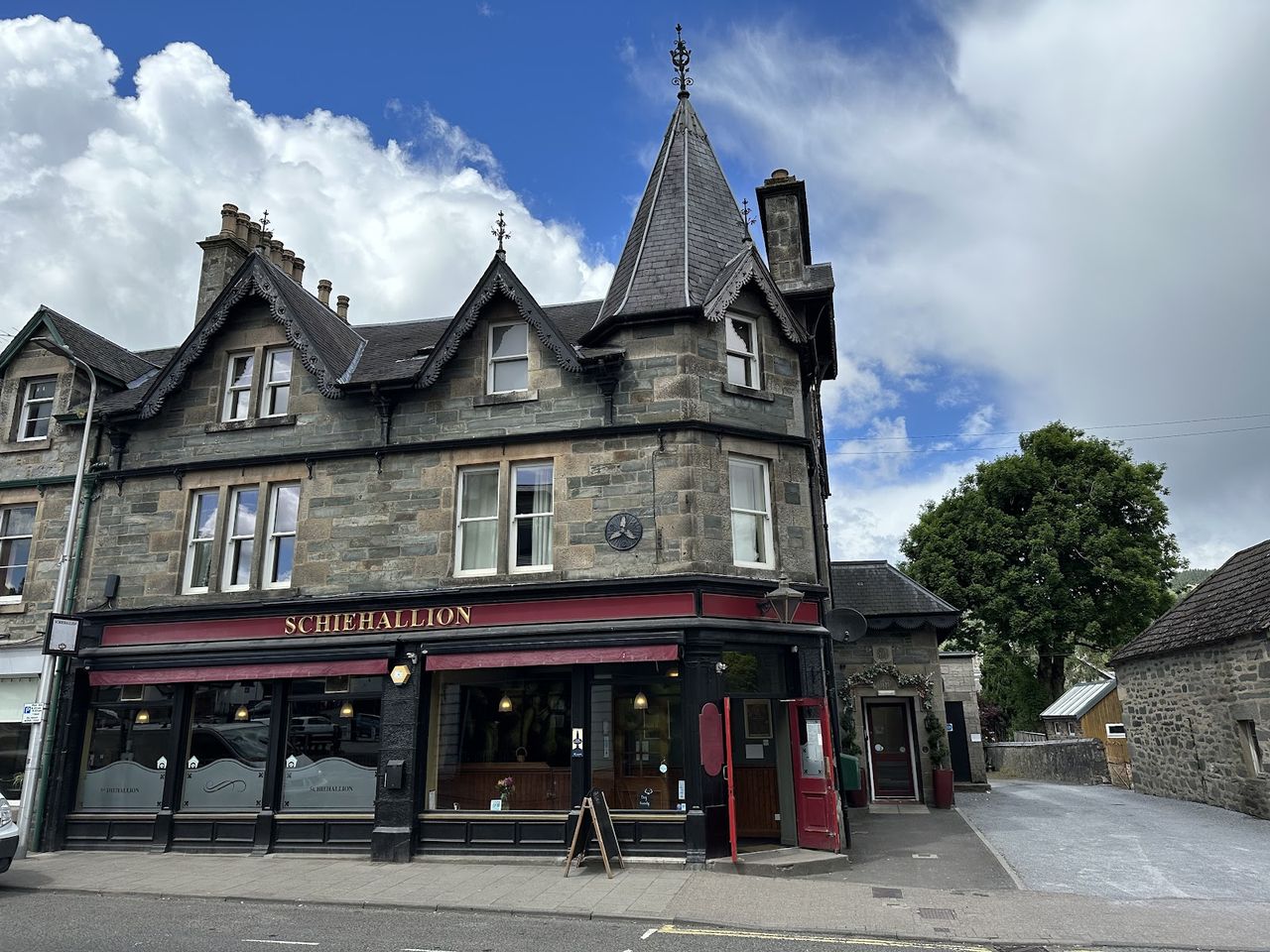 Schiehallion Hotel — in Aberfeldy, a short walk from Wade's Bridge
 -
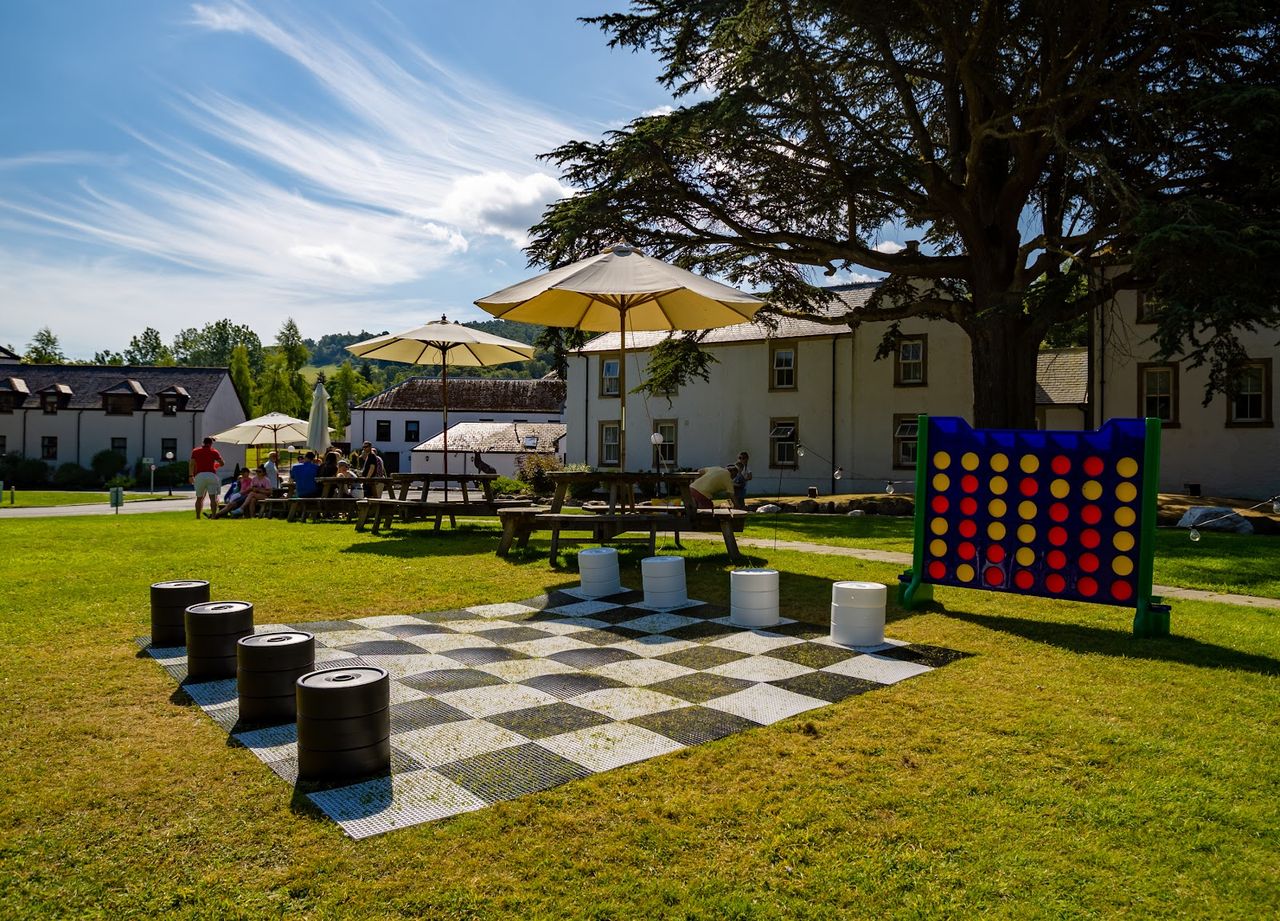 Moness Resort — on the edge of Aberfeldy, near the Birks
 -
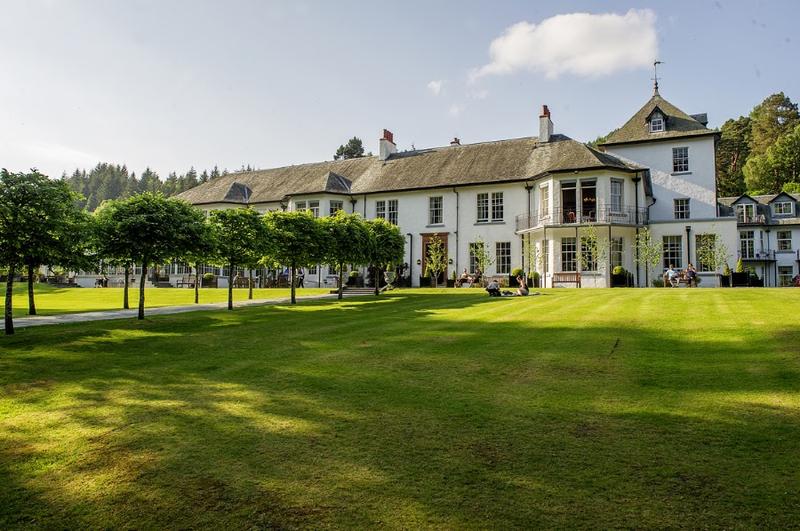 Dunkeld House Hotel — on the Tay, in parkland just outside Dunkeld
 -
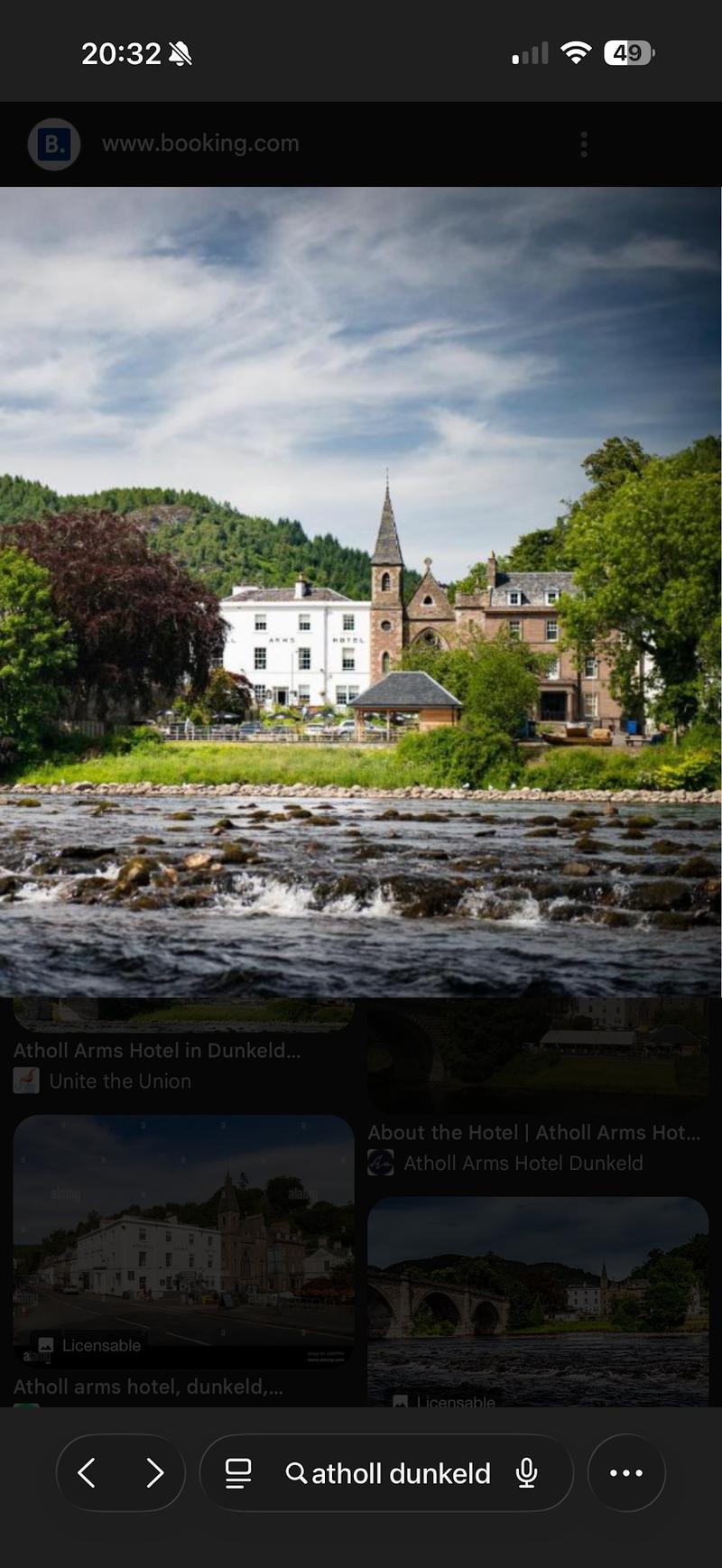 Atholl Arms Hotel — in the centre of Dunkeld, near the cathedral
 -
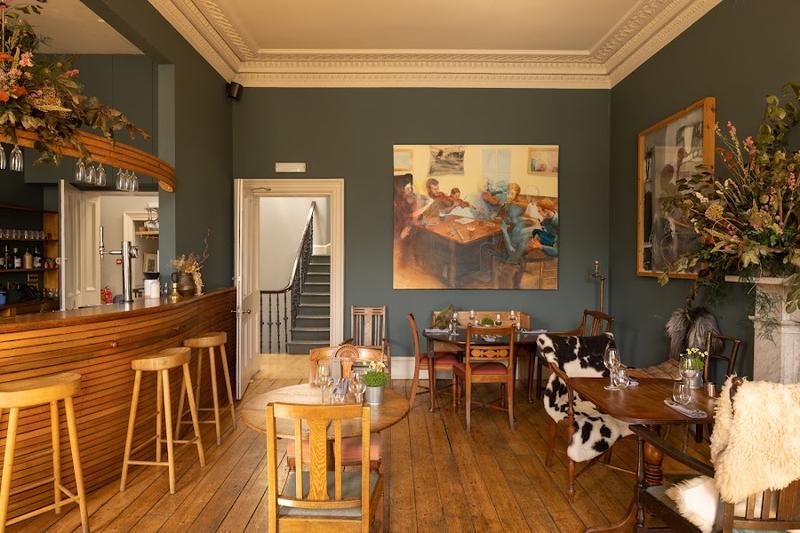 The Taybank Hotel — on the riverbank in Dunkeld
 -
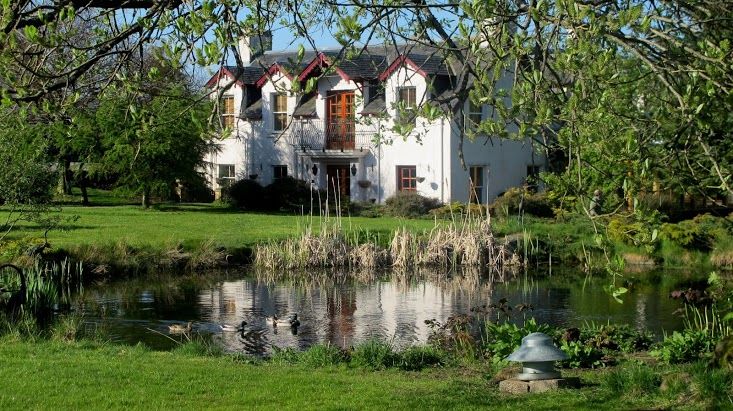 Errichel House and Cottages — farm B&B with its own restaurant, just outside Aberfeldy
 -
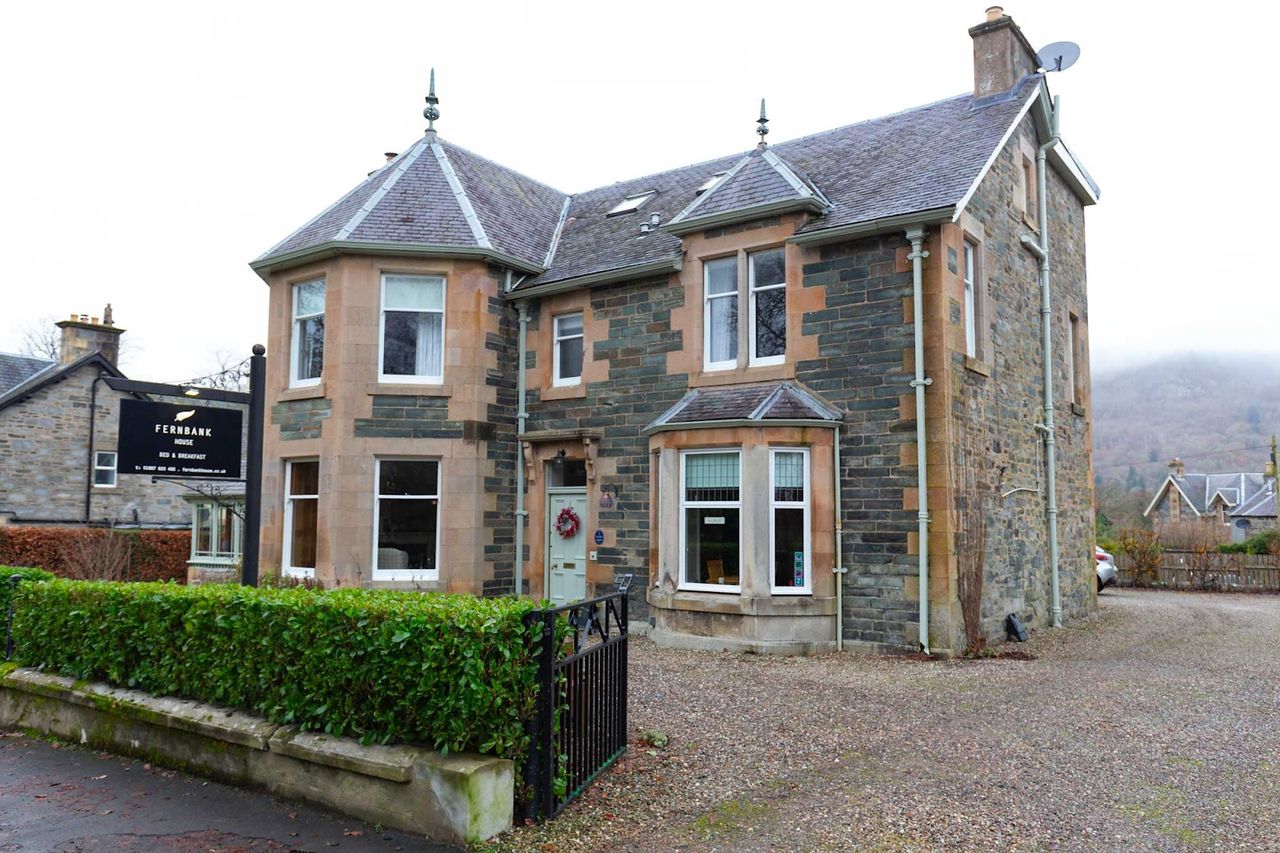 Fernbank House — B&B on Kenmore Street, with spa and wedding facilities
 -
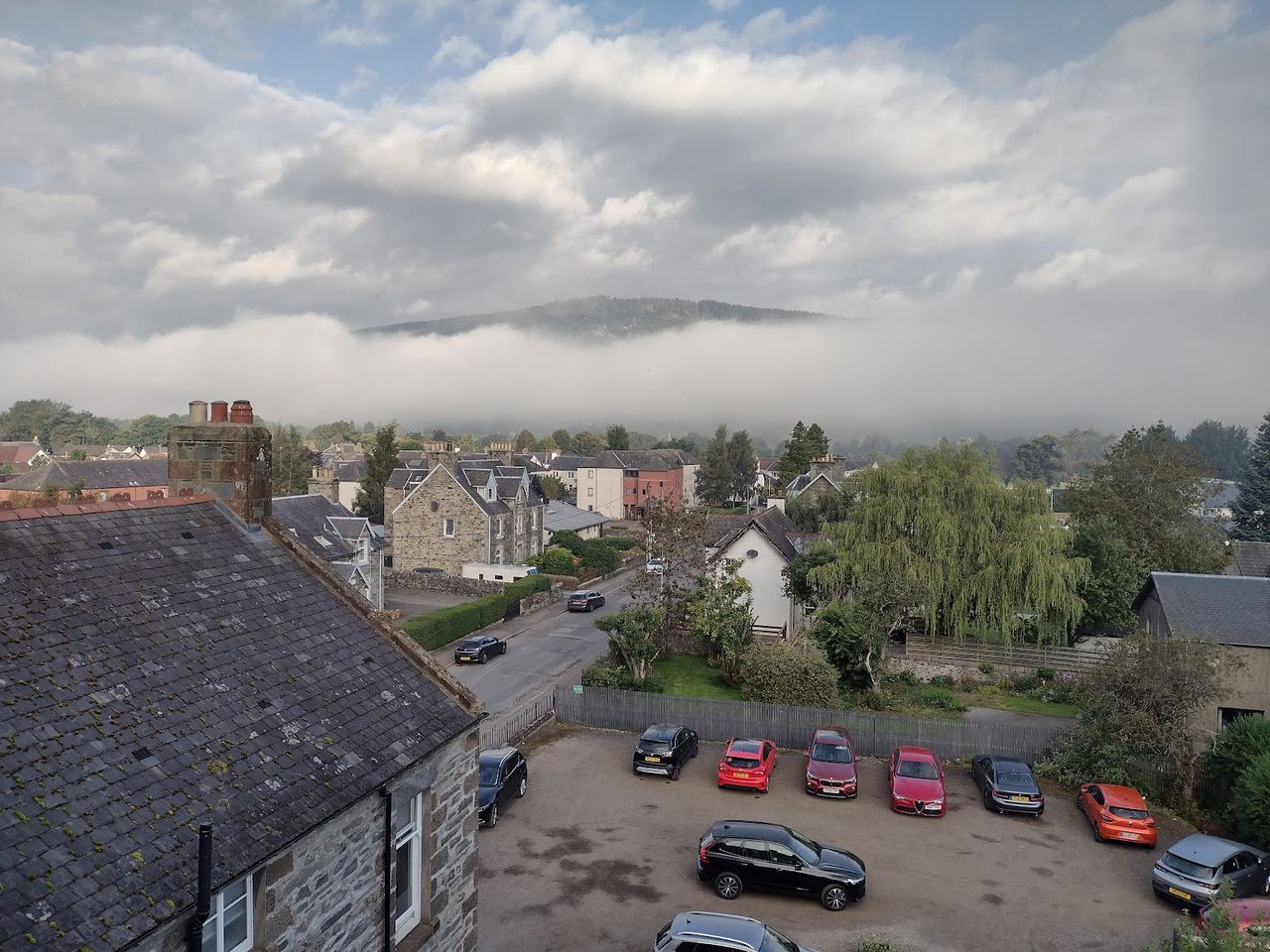 The Townhouse Aberfeldy — B&B with restaurant and bar, near the town centre
 -
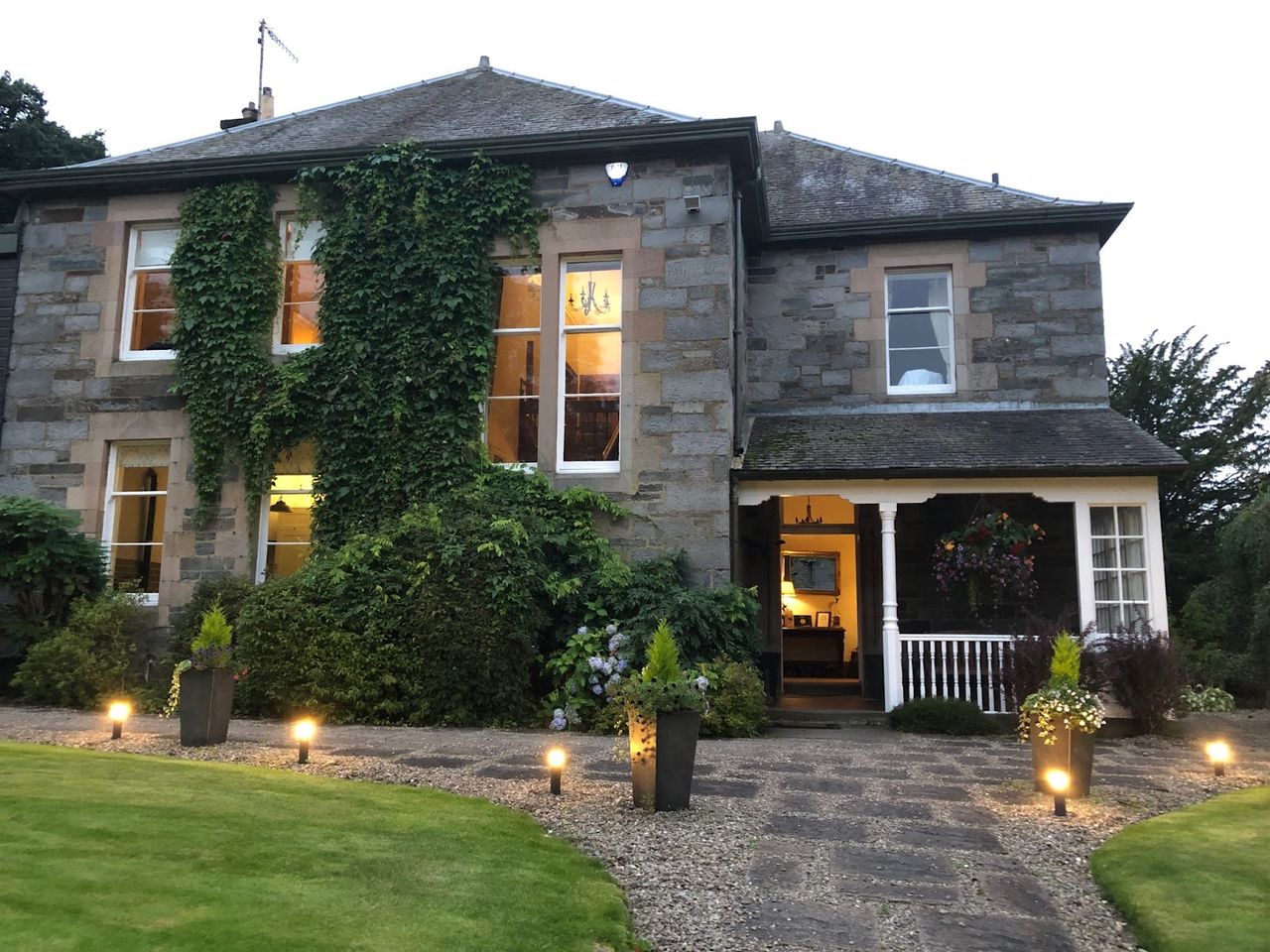 Balnearn House — guest house on the Crieff Road out of Aberfeldy
Getting around
Dunkeld has its own railway station on the Highland Main Line, on the direct route between Perth and Pitlochry, while Aberfeldy is reached by road, a short drive from either Dunkeld or Pitlochry along the A9 and A827. The two towns are about a twenty-minute drive apart, making it easy to combine both in a single day.